
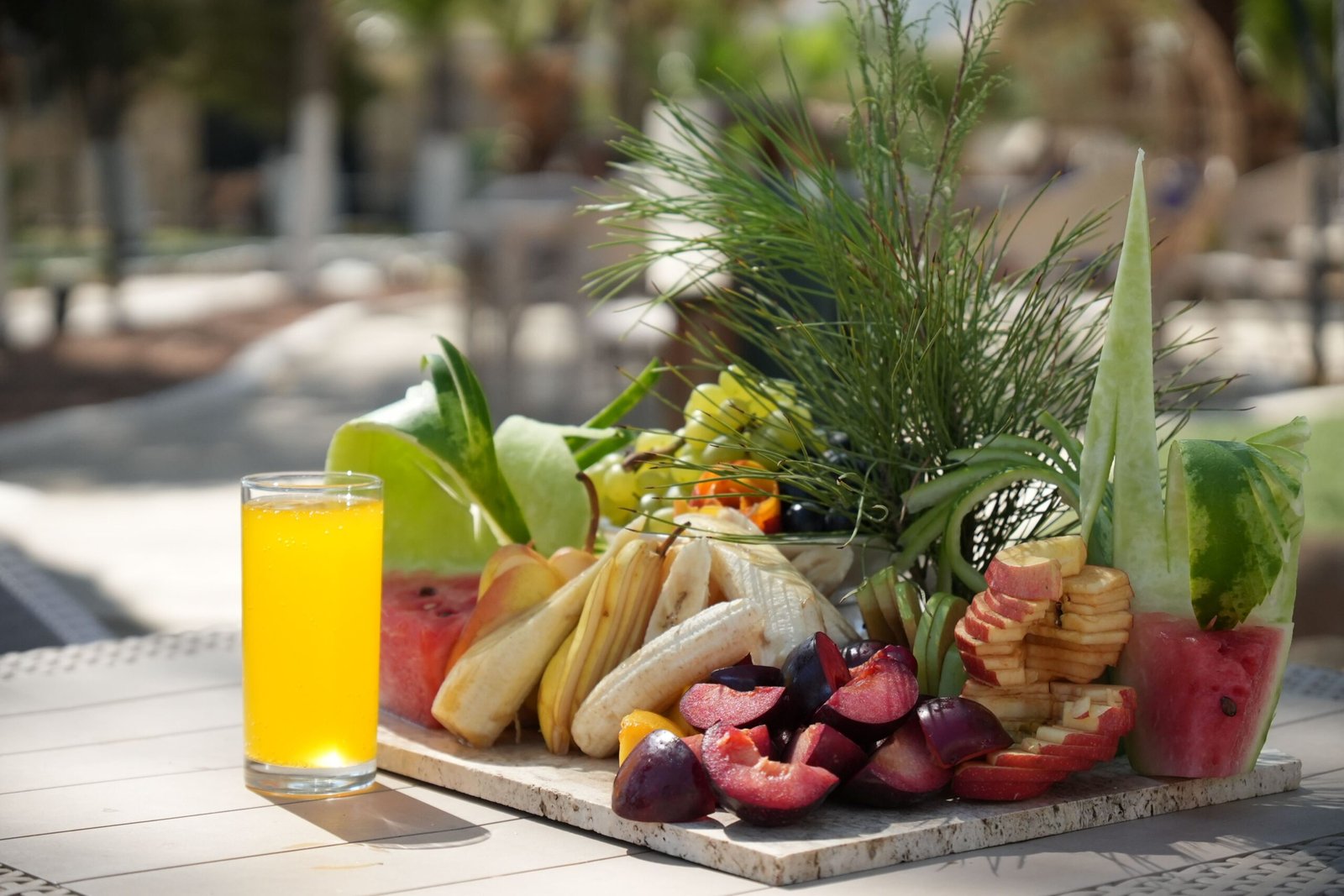
The meal plan you choose can quietly shape your entire adults-only luxury trip—much more than most people realize.
It’s not just about the price tag. It decides how your days actually play out.
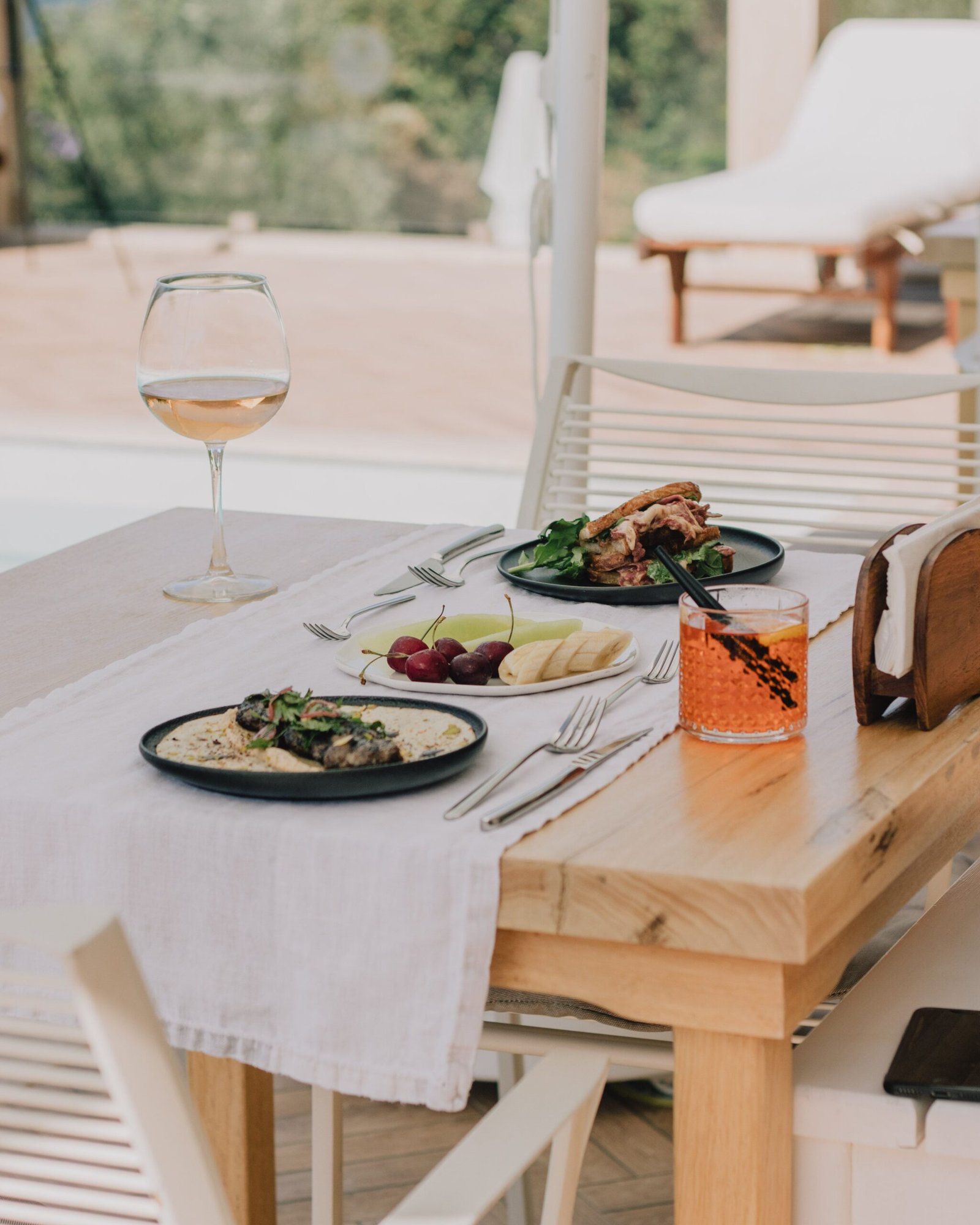
Go all-inclusive and you won’t have to think about meals at all; half board leaves you free to pop into local restaurants; full board sits in the middle.
None of these is a one-size-fits-all answer.
What’s right depends on the destination, the property, and what you want your days to feel like.
So, what does each meal plan really get you? Where do the costs land, and how do you match your choice to your kind of trip?
Let’s break it down.
Half board covers breakfast and dinner, then leaves lunch open. You see this a lot at upscale hotels and boutique spots—especially across Europe. It’s a nod to travelers who’d rather explore during the day and come back for a guaranteed dinner.
Full board means breakfast, lunch, and dinner are all included—just usually not drinks, snacks, or special dining extras. It’s a bit less common in the luxury world, but it shows up at resorts in places where heading off for meals isn’t practical.
All-inclusive goes all out: every meal, tons of drinks (often including top-shelf options at the higher-end places), snacks all day, and sometimes activities or excursions. At true luxury resorts, it might cover specialty restaurants, minibar refills, and round-the-clock room service. Still, the fine print can vary a lot, so it’s worth getting clear on what’s actually included.
How much you leave the property. Half board tempts you outside. You’ve got lunch to figure out, which might mean sampling tiny cafes or wandering local markets. All-inclusive, though, encourages you to stay put since everything’s already paid for.
Decision fatigue versus flexibility. All-inclusive makes life easy—you don’t have to think about food or worry about surprise bills. Half board leaves that door open. For some, that’s effort. For others, it’s the best part of traveling—to roam and choose as you go.
Destination fit. If you’re way off the map—think a remote villa or tucked-away estate—full board or all-inclusive usually makes a lot more sense. Heading elsewhere just for lunch or dinner might not even be possible. But if you’re in a foodie hotspot (Italy, Portugal, the Greek islands), half board works beautifully. It means you actually get out into the local scene instead of dining in the same restaurant every night.
Total cost, once you account for everything. Cheaper half-board rates sometimes end up being more expensive when you add dinners out, taxi rides, and local drinks, especially where dining out costs a lot. All-inclusive plans, even with the higher upfront price, can be the better deal—especially for longer stays or if you’d otherwise be eating out all the time.
A honeymoon or anniversary trip. Half board often suits this best. It leaves room for a few splurge dinners in town, but you always have included meals at home base if you want a low-key night. If the resort is really out there, all-inclusive works and means zero transport stress.
A wellness or restorative trip. All-inclusive tends to be the stronger fit here. Meals are sorted and you don’t have to think about logistics—just pure relaxation.
For solo travelers, all-inclusive is honestly a lifesaver. Navigating restaurant reservations alone can get old quickly; this way, you can eat whenever and wherever you want, and still head out for meals if you feel like it. If you’re planning a solo trip more broadly, read our guide on how to plan a solo luxury adults-only holiday; it covers the wider set of decisions worth making before you book.
A bachelorette or group trip. All-inclusive is generally the stronger choice for groups. Splitting bills and tracking tabs is no fun with a crowd. All-inclusive just keeps everything smooth and gives everyone easy access to whatever they want, whenever. The destination and property picks in our guide adults-only bachelorette party destinations & resorts lean heavily toward all-inclusive properties for exactly this reason.
A milestone trip with a butler-tier room. The meal plan starts to matter less. True butler service usually handles anything—off-menu meals, arranging private dinners, even booking spots outside the resort. Those extra services tend to blur the lines between plan types, so just check what’s actually included (we covered it in this guide: butler service at adults-only resorts: what you actually get).
Before you book, don’t rely just on the “all-inclusive” or “half board” label. Lots of people make the mistake of assuming too much, which can lead to surprises. Always confirm:
If you’re somewhere truly secluded, want everything handled, or are traveling solo or with a group—go all-inclusive.
If your destination is loaded with local food and you want to explore, or you’re staying central with lots of options—go half board.
Full board is the compromise, but mostly if all-inclusive isn’t available and heading out for lunch isn’t practical. Always double check what a full-board rate really gets you; don’t assume it’s a straight middle ground.
Usually, yes—especially for solo trips, groups, wellness escapes, or remote properties. But if you’re somewhere known for amazing local food, half board can pack in more value and give you a deeper experience.
Full board covers three meals, but not drinks, snacks, or special dining. All-inclusive includes meals plus drinks, snacks, sometimes activities—but always check what counts.
Mostly, no. It covers breakfast and dinner. Drinks, lunch, and meals outside those times are separate—unless the property says otherwise.
Depends on where you are and how you like to eat. In expensive places, or if you’re staying a while, all-inclusive often works out as the cheaper option—even with the higher nightly rate.
Sometimes, yes—it varies by property. Always check cancellation and change rules before you book, just in case you want to swap plans later.
There are no results matching your search




Sodalio is the curated destination for discovering adults-only luxury resorts, cruises, wellness retreats, romantic escapes, and quiet luxury travel experiences worldwide.
Private access to the world’s most exceptional adults-only escapes.
© Sodalio. All Right Reserved 2026.