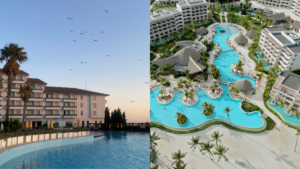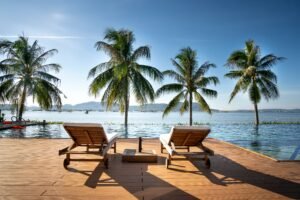
A quietcation flips the typical vacation on its head. Instead of packing your days with sightseeing, excursions, and endless plans, you build your trip around what you’re cutting out—noise, constant notifications, packed itineraries, and too much stimulation.
People aren’t just talking about this shift; it’s defining what luxury travel means in 2026, and the trend is only getting stronger.
Hotels and resorts have even coined a word for their side of this: “hushpitality.” It’s not just about offering quiet—it’s about making silence and calm a core part of what you pay for, not just an accidental perk.
Together, quietcation and hushpitality have taken over the travel scene, surging from a niche idea for wellness junkies to one of the industry’s most talked-about movements in less than two years.
This isn’t a minor shift. Hilton’s 2026 Trends Report says 56% of travelers put “resting and recharging” over sightseeing when picking a vacation spot—a total reversal from just a few years ago, when everybody was obsessed with checking off every sight in town.
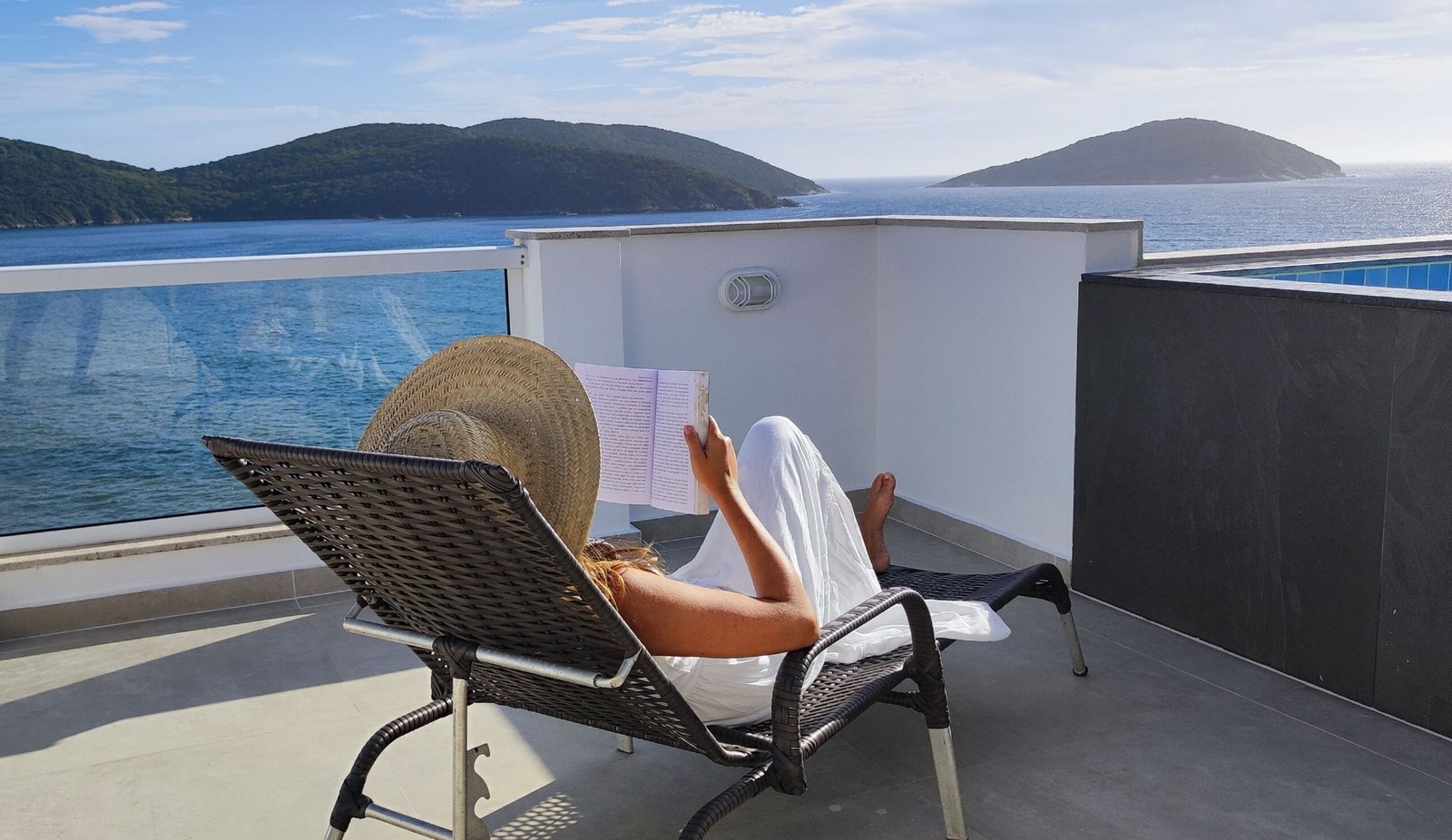
More numbers: half of travelers want digital detox experiences because they’re burnt out, 57% are interested in silent retreats, and over half want “reading retreats”—a getaway planned around nothing but books and peace.
Maybe the biggest sign things have changed: 48% of people are adding extra days to their trips just to be alone, so they can decompress before or after spending time with groups or family. Luxury travel insiders call this the move from FOMO (fear of missing out) to “Slow-mo.”
The latest reports from major operators have “real rest and restoration” as a top-three reason people book luxury vacations now, right up there with celebrating milestones and spending time with loved ones.
People sometimes use these words like they’re interchangeable, but there’s a difference.
A quietcation is your choice as a traveler—you decide to book a trip focused on silence and unplugging, not just seeing stuff and filling up your days. It’s a whole category of travel about what you want—nothing, on purpose.
Hushpitality is how hotels and resorts make that possible.
It’s not just about putting you in a “quiet room.” Leaders in hushpitality are building spaces with noise-absorbing architecture, creating “dead-zone” cabins with zero Wi-Fi or cell signal, spreading out the rooms, and training staff to be there the instant you need something but otherwise blend into the background.
There’s a hardcore end to this quietcation thing called “dead zoning.” Here, you choose places with zero mobile signal or Wi-Fi—either because the location is that remote, or because the property makes it that way.
Some hotels actually make this an official part of the experience: they collect your devices at check-in, lock them in signal-blocking boxes, and only let you have them at certain times or when you check out.
Other spots just happen to be so far from civilization there’s no cell coverage at all. Some travel writers say that’s the best version, since you aren’t left with the temptation to sneak a scroll—it’s simply not possible. The research says this isn’t really about the phone. It’s about what happens to your body and your brain when you spend truly extended time away from stimulation.
Hanging out in quiet, low-sensory environments lowers your stress hormones and nudges your nervous system into “rest and digest” mode, instead of the constant ping of “fight or flight” that cities and screens keep you in.
Quietcation and adults-only hotels & resorts aren’t just a random pairing. They’re really two sides of the same coin. True acoustic calm needs the whole environment to play along. It doesn’t matter if you have a quiet room; if the pool is noisy or kids’ events are running next door, the effect is ruined.
Real quiet comes from the entire atmosphere, and that’s way easier when everyone on the property—not just you—has chosen an adults-only escape. Hushpitality’s “invisible but available” service matches what the best adults-only resorts have already been perfecting: low-key, non-intrusive, and personal.
If you don’t want constant programming or staff popping in with offers, you’re already getting this at most top-tier adults-only properties.
Solo travel and quietcations are a perfect match, too.
With so many travelers now building “solo buffers”—just-for-me days—into their trips, these resorts are an obvious fit. If your real goal is to clear your head, going somewhere where everyone’s looking for the same thing just makes sense. A lot of these places were already investing in silent retreats, guided meditation, forest bathing, and reading rooms—the sorts of experiences that quietcation fans are specifically seeking out. They already have the right infrastructure.
Not every property using the word “quiet” is really offering the same thing. The best hushpitality destinations, the ones really leading this movement, take it a few steps further:
Certain places really shine for quietcations now.
Pick isolation over fame. The farther you are from towns, crowds, and roads, the more reliable the calm—don’t let flashy amenities lists talk you out of prioritizing real remoteness.
Ask about who actually stays there, not just if your room is “quiet.” If you want guaranteed peace, an adults-only spot is almost always your best bet. Even if you’re traveling with someone, set aside true solo time. The benefit comes from having unstructured, decompressing space—whether you’re alone or just choosing to carve out a few hours for yourself.
Treat digital detox as something your environment helps you with, not just your willpower. If the property makes it difficult or impossible to use devices, you’ll relax more deeply than if you’re always having to fight the urge to check your phone.
Skip activity-packed itineraries. Go for programming that encourages true downtime—meditation, quiet reading spaces, walks in nature, or simply letting yourself be bored.
It’s a vacation organized around silence, calm, and getting away from constant stimulation—digital or otherwise. You’re going to relax, not just check off sights.
It’s the industry’s term for making quiet a luxury amenity—through thoughtful architecture, tech-free zones, low-density layouts, and nearly invisible service—rather than hoping for quiet in the odd corner of an otherwise busy hotel.
It means picking a spot—either remote or set up with tech-blocking infrastructure—where digital connection just isn’t an option. This way, you don’t have to will yourself to unplug; the environment does it for you.
Because calm isn’t just about a quiet room—it’s about the whole place. When everyone chooses tranquility, you get the real, property-wide peace a genuine quietcation promises.
There’s overlap, but quietcations are more focused on silence and reducing sensory input. Wellness travel can mean spa treatments, fitness, or group activities, while a quietcation is about intentional emptiness and space.
Look for the real stuff—distance from crowds, evidence of actual acoustic design, enforced tech-free infrastructure, calm-focused programs, and, most importantly, an adults-only environment.
Not at all—solo time is great, but couples and groups can benefit, too, as long as they commit to unplanned, low-stimulation time and pick the right setting.
Quietcations aren’t just a fad—they’re the new standard for luxury travel, backed by hard numbers showing most people now value rest over rushing around.
Adults-only resorts are leading the way, not because they had to pivot to the trend, but because they were already built for this. As hushpitality becomes the new expectation, it’s clear: the places long designed for tranquility and adult calm are exactly where travelers end up when they crave true peace.
There are no results matching your search
Sodalio is the curated destination for discovering adults-only luxury resorts, cruises, wellness retreats, romantic escapes, and quiet luxury travel experiences worldwide.
Private access to the world’s most exceptional adults-only escapes.
© Sodalio. All Right Reserved 2026.